
Feeding the Donkey
Dr. Martin Adams, PAS – Equine Nutritionist for Southern States
The donkey or ass (Equus asinus) is a member of the horse family. Burro is the Spanish name that has also been used for smaller donkeys, especially ones that roam in the wild. Donkeys have been used for centuries as work animals in many parts of the world. Many donkeys in the United States today came from South America and Mexico after introduction in those areas by Spanish explorers in the 16th century, and their origin was Africa. Miniature donkeys in the United States were originally from the Mediterranean islands of Sardinia and Sicily. And most Mammoth Donkeys in the United States are from larger European donkey breeds that were developed in the 1800’s and imported into our country.
Differences from the horse include longer ears which provide greater cooling capacity due to their desert origin, larger eyes that provide them a larger field of vision, a tail more similar to a cow, smaller and tougher hooves, coarser hair coat, greater average gestation length (12 months), longer life spans (30 to 50 years), and a distinctive braying call.
A male donkey is called a jack. A female donkey is called a jennet or jenny. Castrated males are called donkey geldings. Young donkeys are called jack foals or jennet foals. Donkeys can be classified into four types based on their mature withers height:
- Miniature Donkey: under 36 inches • Small Standard Donkey: from 36.01 to 48 inches
- Large Standard Donkey: over 48 inches and under 54 inches for jennets and over 48 inches and under 56 inches for jacks and geldings
- Mammoth Donkey: 54 inches or over for jennets and 56 inches or over for jacks and geldings
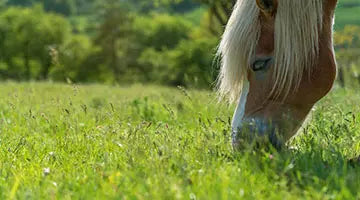
Nutritionally, donkeys have a metabolism and behavior that makes them “easy keepers”. Donkeys can browse as well as graze, so they can utilize a poorly kept or less improved pasture (with shrubs, mature long grass, etc.) more efficiently than a horse. Also, for an improved pasture, the carrying capacity or acres/animal required is less for a donkey than for a horse. In fact, improved pasture access usually must be limited for donkeys to reduce the risk of obesity from overgrazing.
Since donkeys have a more efficient metabolism or “thrifty” gene, they are likely genetically insulin resistant. They require less forage and grain than horses, and overfeeding donkeys will result in obesity and metabolic disorders such as laminitis (founder) and hyperlipidemia. A donkey will develop a “cresty” neck similar to ponies and horses with metabolic syndrome due to obesity and are at risk to the same problems. The goal is to maintain a body condition score of 5.0 to 5.5 to in the donkey just as in the horse to prevent obesity and maintain good health.
Feeding Recommendations for Mature Donkeys*
| Category |
Body Weight (lbs) |
Grass or Mixed Hay (lbs/day) |
Triple Crown Lite (lbs/day when fed with hay) |
Legends Show & Pleasure (lbs/day when fed with hay) |
|
Maintenance
|
250
|
3.5 to 4.5
|
0.25
|
X
|
|
|
350
|
5.5 to 6.5
|
0.35
|
X
|
|
|
450
|
7.5 to 8.5
|
0.45
|
X
|
|
|
550
|
8.5 to 10
|
1.1
|
X
|
|
|
650
|
10 to 12
|
1.3
|
X
|
|
|
750
|
12 to 14
|
1.5
|
X
|
|
|
|
|
1.7
|
X
|
|
|
950
|
15 to 17
|
1.9
|
X
|
|
Working
|
250
|
4 to 5
|
X
|
1.25 to 2
|
|
|
350
|
6 to 7
|
X
|
1.75 to 2.5
|
|
|
450
|
8 to 9
|
X
|
2.25 to 3
|
|
|
550
|
10 to 11
|
X
|
2.75 to 3.5
|
|
|
650
|
12 to 13
|
X
|
3.25 to 4
|
|
|
750
|
14 to 15
|
X
|
3.75 to 4.5
|
|
|
850
|
16 to 17
|
X
|
4.25 to 5
|
|
|
950
|
18 to 19
|
X
|
4.75 to 6
|
*Adjust the amount of hay and concentrate to maintain a proper body condition of 5.0 to 5.5.
Related Products
Product availability and pricing may vary by location.
These products may be purchased at your
local store.
Images are representative only. Color and size may vary.
Horse Feeds
Check local store for pricing
Product availability and pricing may vary by location.
These products may be purchased at your
local store.
Images are representative only. Color and size may vary.